
"Martinique coffee industry"
600 article(s) found

The Geographic History of Blue Mountain Coffee
In 1717, King Louis XV of France ordered the cultivation of coffee in Jamaica. In the middle of the Blue Mountain Coffee era, the Governor of Jamaica, Sir Nicholas Nicholas Lawes, imported Arabica seeds from Martinique and began to plant them in St. Andrew. To this day, the St. Andrews area is still a dental buyer.

Coffee producing area Coffee introduction to Venezuela
The distinctive manor coffee comes from this oil-rich country. Oil was once considered to be the main export of Venezuela. Although coffee trees were introduced from Martinique in 1730 and Venezuela, coffee production was almost abandoned at the height of the oil industry. Recently, coffee plantations have begun to recover, with the original planting of Tipica and

The origin of Venezuelan boutique coffee and beans
Professional baristas please follow the coffee workshop (Wechat official account cafe_style) Venezuelan oil was once considered to be the main export product of Venezuela (Venezuela). Although coffee trees were introduced from Martinique in 1730 and Venezuela, coffee production was almost abandoned at the height of the oil industry. Recently, coffee plantations have begun to recover.

Planting History of Blue Mountain Coffee beans in Jamaica
In 1717, King Louis XV of France ordered the cultivation of coffee in Jamaica. In the middle of the 20th century, the Governor of Jamaica, Sir Nicholas Nicholas Lawes, imported Arabica seeds from Martinique and began to plant them in St. Andrew. To this day, St.

Introduction of Jamaican boutique Blue Mountain Coffee Flavor and Taste
In the mid-1970s, the Governor of Jamaica, Sir Nicholas Lloyd (Nicholas Lawes), imported Arabica seeds from Martinique and began to plant them in St. Andrew. To this day, St. Andrews is still one of the three major producing areas of Jamaican Blue Mountain Coffee, with the other two producing areas: Portland (Por).

Coffee varieties and producing areas Coffee varieties Tippika Ancient Tibica varieties
Professional coffee knowledge exchange more coffee bean information please follow Coffee Workshop (Wechat official account cafe_style) Coffee variety Typic: Ethiopia's oldest native variety, all Arabica are derived from Tibica. The top leaf of Tiebika is bronzed and the bean body is oval or thin in shape; the flavor is elegant, but the physique is weak, the disease resistance is poor and the fruit yield is less. Jamaica

Coffee in Venezuela Other Coffee in Latin America Boutique Coffee
The distinctive manor coffee comes from this oil-rich country. Oil was once considered Venezuela's main export. Although coffee trees were introduced from Martinique as early as 1730 and Venezuela, coffee production was almost abandoned during the heyday of the oil industry. Coffee plantations have recently begun to revive, with the original plantations of Tipica and

The History and Culture of Jamaican Blue Mountain Coffee Latitha Manor
In 1717, King Louis XV of France ordered the cultivation of coffee in Jamaica. In the middle of the 20th century, the Governor of Jamaica, Sir Nicholas Nicholas Lawes, imported Arabica seeds from Martinique and began to plant them in St. Andrew. To this day, St. Andrew

Introduction to the treatment of superior Jamaican Blue Mountain Coffee
In 1717 King Louis XV of France ordered coffee to be grown in Jamaica, and in the mid-1920 s, the Governor of Jamaica, Nicholas. Nicholas Lawes imported Arabica seeds from Martinique and began to plant them in St. Andrew. To this day, the St. Andrews area is still the Jamaican Blue Mountain Coffee.

Delicious and light Venezuelan coffee beans from San Cristobal area
Venezuelan Coffee Coffee Venezuela's distinctive manor coffee comes from this oil-rich country. Oil was once considered to be the main export of Venezuela. Although coffee trees were introduced from Martinique in 1730 and Venezuela, coffee production was almost abandoned at the height of the oil industry. Recently, coffee plantations have begun to resume.

Venezuela, the producer of fine coffee in the world.
The distinctive manor coffee comes from this oil-rich country. Oil was once considered to be the main export of Venezuela. Although coffee trees were introduced from Martinique in 1730 and Venezuela, coffee production was almost abandoned at the height of the oil industry. Recently, coffee plantations have begun to recover, with the original planting of Tipica and
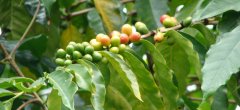
Venezuela is grown in San Cristobal Montibelo Coffee in Tazira.
The distinctive manor coffee comes from this oil-rich country. Oil was once considered to be the main export of Venezuela. Although coffee trees were introduced from Martinique in 1730 and Venezuela, coffee production was almost abandoned at the height of the oil industry. Recently, coffee plantations have begun to recover, with the original planting of Tipica and

Blue Mountain Coffee Bean Flavor Description Taste Manor Area Processing Variety Introduction
In 1717 King Louis XV of France ordered coffee to be grown in Jamaica, and in the middle of the 20th century, Sir Nicholas Lawes, governor of Jamaica, imported Arabica seeds from Martinique and began planting them in St. Andrew. To this day, St. Andrew

The characteristic manor coffee comes from this oil-rich country, Venezuela.
The distinctive manor coffee comes from this oil-rich country. Oil was once considered to be the main export of Venezuela. Although coffee trees were introduced from Martinique in 1730 and Venezuela, coffee production was almost abandoned at the height of the oil industry. Recently, coffee plantations have begun to recover, with the original planting of Tipica and

Venezuelan coffee is delicious and light, with less sour taste than traditional coffee.
Oil was once considered to be the main export of Venezuela. Although coffee trees were introduced from Martinique in 1730 and Venezuela, coffee production was almost abandoned at the height of the oil industry. Recently, coffee plantations have begun to recover, with original Tipica and bourbon coffee trees and new plantations laying the foundation for coffee exports.
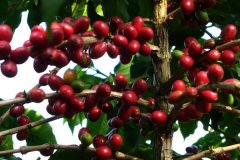
The best coffee producing area in Venezuela is the southwestern state of Tazira.
Venezuela oil was once considered the main export of Venezuela (Venezuela). Although coffee trees were introduced from Martinique in 1730 and Venezuela, coffee production was almost abandoned at the height of the oil industry. Recently, coffee plantations have begun to recover, with the original Tipica and bourbon coffee trees and new plantations for coffee.

Flavor and taste of Blue Mountain Coffee Manor in Jamaica
In the mid-1970s, the Governor of Jamaica, Sir Nicholas Lloyd (Nicholas Lawes), imported Arabica seeds from Martinique and began to plant them in St. Andrew. To this day, St. Andrews is still one of the three major producing areas of Jamaican Blue Mountain Coffee, with the other two producing areas: Portland (Por).
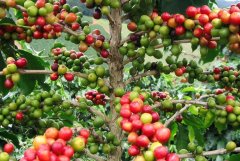
The characteristic manor coffee comes from this oil-rich country, Venezuelan coffee
Oil was once considered to be the main export of Venezuela. Although coffee trees were introduced from Martinique in 1730 and Venezuela, coffee production was almost abandoned at the height of the oil industry. Recently, coffee plantations have begun to recover, with original Tipica and bourbon coffee trees and new plantations laying the foundation for coffee exports.

Blue Mountain Coffee had a rough ride.
Blue Mountain coffee costs an exorbitant $35 a pound, but Jamaica's coffee industry is struggling. In 1725, British Governor-General Charles Laws purchased seven tibeka saplings from French Martinique and planted them at St Andrew's near the Blue Mountains in eastern Jamaica. Andrew) own manor, it can be seen that Blue Mountain Coffee is also a French naval officer. Cleary from Paris Conservatory in 1720

Introduction to Venezuelan coffee with smooth taste and sweet taste
The distinctive manor coffee comes from this oil-rich country. Oil was once considered to be the main export of Venezuela. Although coffee trees were introduced from Martinique in 1730 and Venezuela, coffee production was almost abandoned at the height of the oil industry. Recently, coffee plantations have begun to recover, with the original planting of Tipica and